
When a household shipment reaches a destination terminal, the move is not necessarily ready for the residence. The goods may still need a count, a release, a local delivery crew, or an appointment that fits a building's loading rules. If you treat a terminal arrival as a confirmed doorstep date, you can miss the truck, lose an elevator reservation, or leave the carrier without a person authorized to receive the shipment.
A final-mile appointment connects the long-haul portion of the move to the last truck and the destination address. Before you agree to a window, confirm that the carrier has the shipment, knows what is being delivered, can reach the property, and has someone able to sign. This guide explains which details to check and how to document changes. It is a planning aid for interstate household moves, not a substitute for the dates and terms in your order for service and bill of lading.
Confirm that the shipment is ready to release
Start by asking whether the destination terminal has physically received the shipment or only received an electronic arrival notice. Request the date and time of the last confirmed scan or handoff, the terminal name and address, and the person or team responsible for the next step. Ask whether any inventory count, inspection, paperwork, payment arrangement, or carrier release remains open. A portal status can lag behind the freight, so have dispatch explain what its status means before you make travel plans.
If the shipment was consolidated or transferred between vehicles, ask whether all pieces reached the terminal. Compare the total with the origin inventory and note any exceptions. If the carrier found fewer pieces than expected, ask whether the missing items are still on a separate vehicle or require a trace. Our guide to tracing a missing shipment segment through carrier records outlines the identifiers that help separate a real shortage from a delayed scan. Do not describe the shipment as complete until the carrier has reconciled the count or explained why a partial delivery is being proposed.
Ask who has custody of the goods now. The booking company, interstate carrier, terminal operator, and local delivery agent may be different organizations. You do not need to guess at their legal roles; you do need a name and a working contact for the person who can confirm release and dispatch. If the terminal cannot schedule the local delivery, ask which office can and whether your shipment number works with that office. Save any separate case or warehouse reference numbers beside the main order number.
Separate the delivery window from the truck's arrival estimate
Review the order for service and bill of lading for the agreed delivery date or spread. Mark whether the paperwork identifies guaranteed delivery service and what terms apply. An appointment made after line haul may coordinate a local crew within the existing delivery period, or it may document a changed schedule. Ask which one it is. Do not assume a text that says “Thursday” replaces the written delivery spread or guarantees a particular hour.
Federal Motor Carrier Safety Administration guidance says the customer and mover should agree on definite pickup and delivery dates or periods, and those dates should appear on the order and bill of lading. If the mover cannot meet the agreed pickup or delivery timing, its rules require notice when the delay becomes apparent and information about alternative dates. Read FMCSA's transportation guidance with the actual paperwork for your move. A dispatch estimate may still be provisional if the local truck has not been assigned or the terminal has not completed its release checks.
Ask the scheduler to name the type of window: a guaranteed date, a delivery spread, a scheduled appointment, or an estimated arrival call. Then ask when the window becomes firm and what could change it. Some companies provide a morning or afternoon block and call when the driver is closer. Others have a defined appointment time. Ask what the crew can realistically commit to rather than trying to infer a promise from a map or tracking screen.
If the proposed appointment is outside the dates in your documents, ask for a written explanation and change record before accepting it. Confirm whether the new date replaces the prior date, whether any guaranteed terms change, and whether storage, redelivery, handling, or other charges could apply. Keep the original version. A written record prevents later confusion over whether you requested a date change or the mover proposed one because it could not meet the agreed schedule.
Check the property before dispatch
Give the destination crew the correct address, unit or building name, gate code, and a phone number that will work on delivery day. Tell the scheduler about narrow streets, low branches, weight limits, steep drives, restricted truck hours, and any location where a tractor-trailer cannot safely turn. Do not rely on a general note such as “call when close” if the driver needs a smaller shuttle, a reserved loading area, or a different entrance. Ask the carrier whether it expects to use a full-size truck and whether the access details have reached the driver.
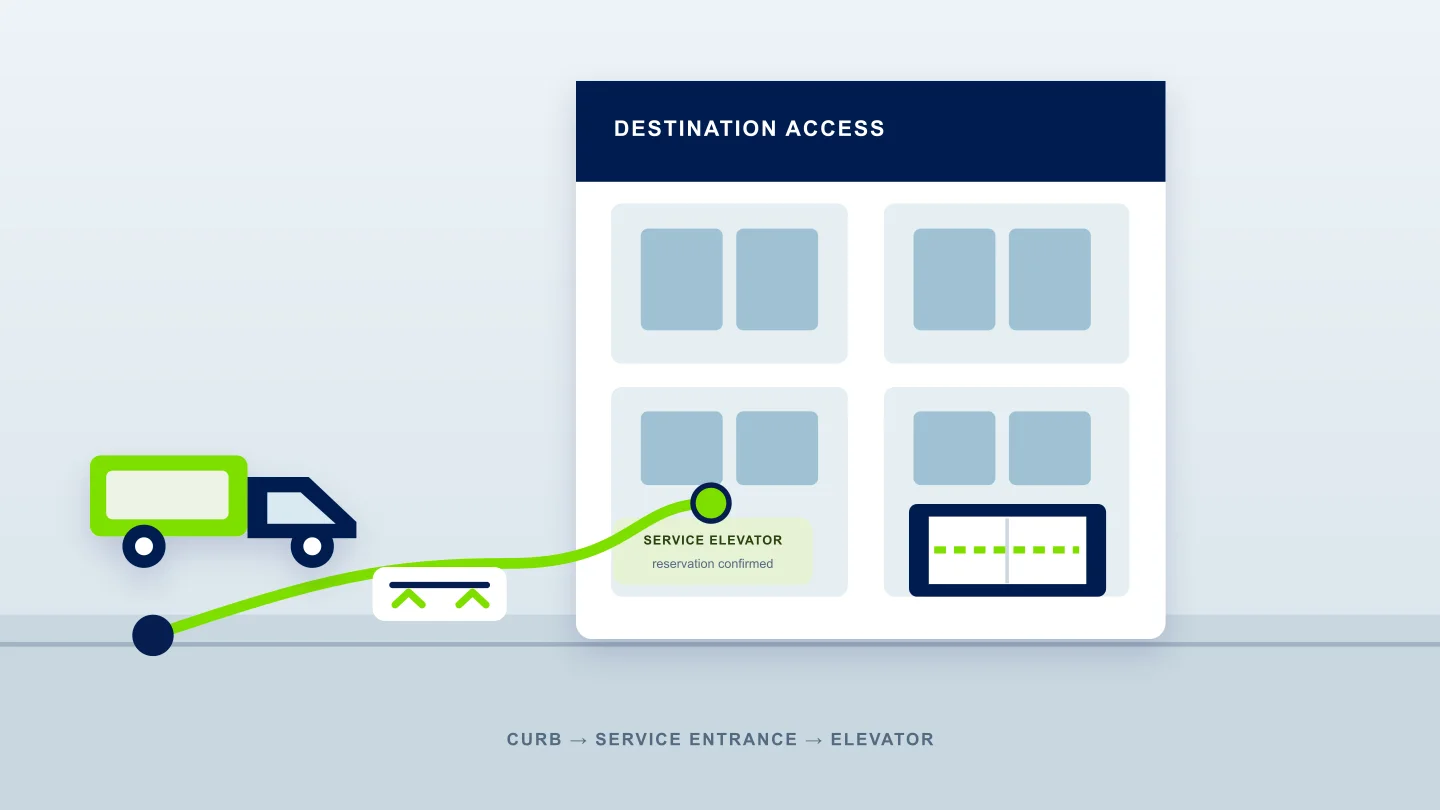
For apartments, condominiums, and managed buildings, verify the loading dock or service entrance, elevator reservation, certificate-of-insurance requirements, move-in hours, and rules for protective floor coverings. Ask the building which forms and deadlines apply. If the appointment changes, contact the building immediately to see whether it can move the reservation. Keep confirmation of any deposit, cancellation charge, or new slot. Do not assume the carrier can resolve building access on your behalf.
At a house, check whether a vehicle can park without blocking emergency access or neighbors. If the delivery requires a long carry, stairs, a shuttle, or another special service, compare it with the estimate and written paperwork. Describe the actual conditions to the mover, and ask which services it has priced. The appointment should not be the first time the dispatcher learns that the truck cannot reach the door. If a new service may affect cost or time, request a written description before the crew arrives.
Think about who will meet the truck. A friend or relative may be able to receive the delivery, but confirm whether the carrier will accept that person and what authorization it requires. Give the receiver the shipment number, appointment window, relevant inventory pages, and your contact information. If the carrier requires the shipper or consignee to sign, get that requirement in writing. A person who has never seen the inventory may have difficulty recognizing a partial load or noting damage.
Make a realistic unloading plan
Estimate how long the crew may need by considering access, stairs, elevator time, inventory size, and whether furniture requires placement or reassembly. The mover can tell you how it schedules labor, but avoid treating a rough estimate as an exact arrival or completion time. If the building has a fixed dock window, tell dispatch the deadline before you accept the appointment. Ask what happens if line haul arrives late or unloading continues after the reservation ends.
Have a safe path from the entrance to the rooms where items will go. Keep children, pets, and parked vehicles clear of the work area. If the carrier permits you to label rooms, use the same labels on the floor plan or door signs. If you have items that must be placed first, ask whether the crew can identify them before unloading begins. Avoid relying on a verbal request made while the crew is carrying large objects through the doorway.
A partial delivery needs a separate count. If one vehicle contains only part of the shipment, ask for the item numbers assigned to that truck and the expected location of the rest. The guide to building a recovery plan when a shipment stops in transit covers the records to collect when a segment remains unconfirmed. Keep each signed inventory or delivery exception tied to the truck and date that produced it. A single “delivered” status should not hide that one portion is still on the road or at the terminal.
Clarify payment and paperwork before the truck arrives
Ask which payment methods the mover accepts, when payment is due, and what amount or documents the driver will present. Review the estimate type and payment terms before delivery day. FMCSA's collection-of-charges guidance describes rules that may apply to interstate household-goods shipments. It does not replace your contract, tariff, or the facts of the move. If an amount differs from the written estimate, request an itemized explanation and the applicable paperwork. Avoid waiting until the driver is at the curb to ask how payment works.
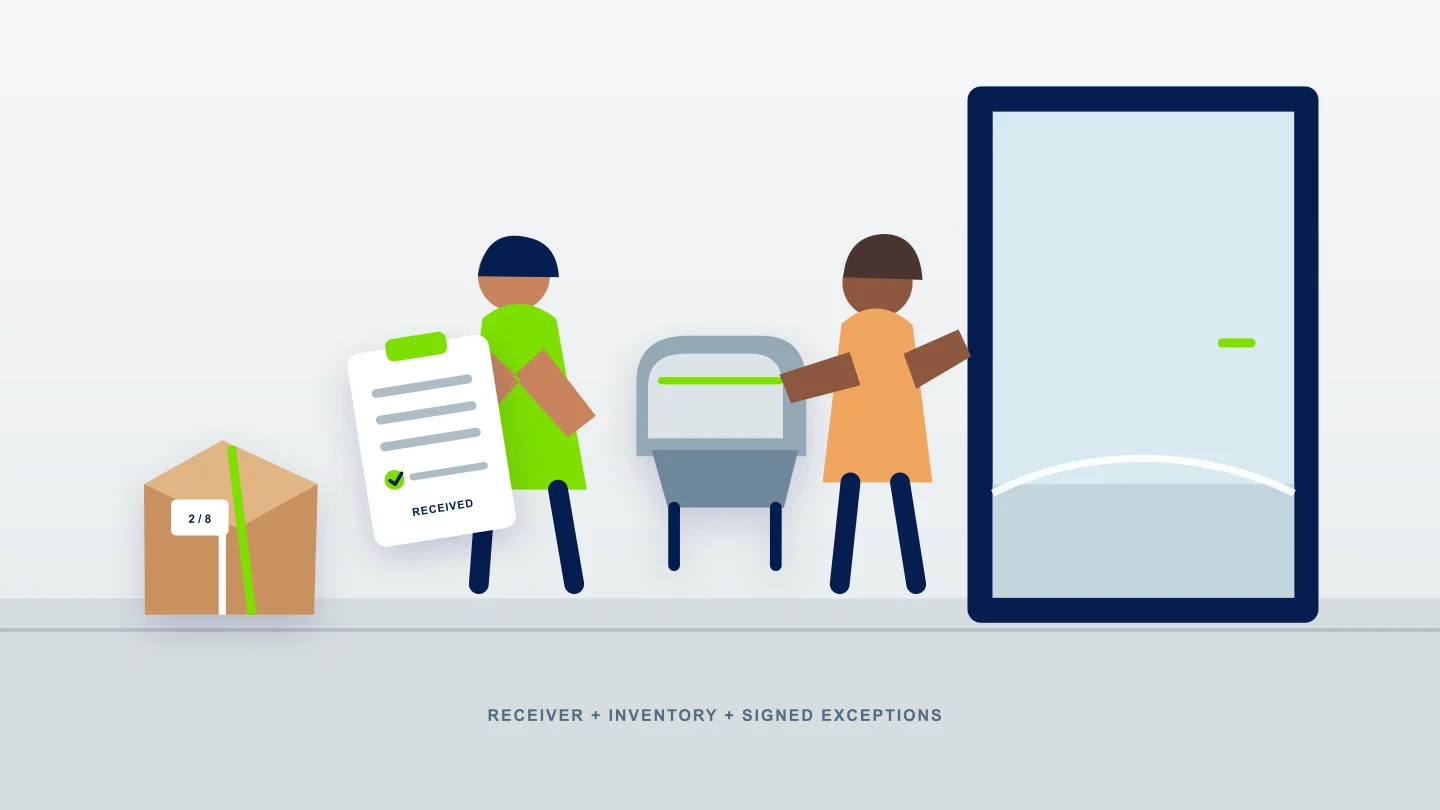
Keep a copy of the bill of lading, inventory, estimate, order for service, and any approved change. During unloading, compare the items to the inventory and note missing or damaged goods on the delivery documents before signing where possible. Take photographs that show both the item and its condition. Ask the driver how to obtain a copy of every document you sign. Do not sign a blank page or write over the original inventory; add a separate dated note if you need more room to describe an exception.
If something is wrong, stay specific. Identify the inventory number, the room or location, the visible condition, and when you first observed it. Ask for the carrier's claim instructions and deadline. FMCSA advises customers to request a claim form for loss or damage and file a written claim within the applicable time. A notation at delivery can help preserve the record, but it is not the same as submitting a formal claim. Keep copies and proof of when the carrier received them.
Decide what to do if you cannot attend
If you will not be at the residence, ask the mover what it requires before dispatch. It may need the named consignee, a written authorization, identification, or a phone call from you. Confirm whether the authorized person may inspect the shipment and write exceptions on the delivery paperwork. Give that person a copy of the inventory and explain how to record a missing carton, a crushed box, or a scratch on a wrapped item. Ask the carrier to send signed documents to you promptly, and confirm the email address or portal where they will appear.
If nobody can receive the goods during the proposed window, tell dispatch before accepting it. Ask whether another date is available, whether the mover can hold the shipment at the terminal, and whether storage-in-transit or redelivery charges may apply. The shipment may have contractual dates even if you personally are unavailable. Review the agreement and obtain written terms for any hold before you choose. A last-minute missed appointment can be harder to solve because a crew and vehicle may already be assigned.
For a building that requires a certificate of insurance, elevator deposit, or dock reservation, identify who is responsible for sending each document and by what deadline. The mover may provide an insurance certificate, while the resident or property manager books the elevator. Ask the building to confirm that its approval is complete, not merely that it received your request. Keep the appointment confirmation and building approval in the same folder so the receiver can show both if the on-site manager asks.
Confirm the appointment in writing
After the scheduler proposes a window, send or request a confirmation that states the shipment number, destination address, date or range, contact person, access plan, whether the shipment is complete or partial, and the next update time. Ask for the terminal's release status and identify the team that will dispatch the final-mile vehicle. If the company uses a portal, save a copy or screenshot of the appointment. If the portal and a phone call conflict, ask the carrier to correct one record and tell you which is current.
A simple confirmation message could say: “Please confirm that shipment __ is at __ terminal, that the delivery window is __, that the driver has the building's loading instructions, and that __ is authorized to receive. Please identify any pieces still outstanding and the time of the next update.” Include only information needed for the move. Keep a copy of the response with your paperwork.
The day before delivery, reconfirm that the building reservation, gate access, and receiver are still available. Ask whether the truck or crew assignment has changed and whether the carrier expects the full load. On delivery day, keep your phone available and ask dispatch to call if the window changes. If the carrier has not called by the promised time, contact the named coordinator and refer to the written appointment rather than creating a new request with incomplete details.
When the planned date changes again
A terminal release, vehicle assignment, weather event, or access problem can change the plan after an appointment has been made. Ask which event changed and whether the shipment remains at the same facility. Request a revised date or range and ask if the mover has amended the order or bill of lading. Confirm the new window with the building and receiver before agreeing to a time that cannot be met. If you need the goods held, ask whether storage-in-transit is available, when that period starts and ends, where the goods will be kept, and what handling or redelivery terms apply.
If the delay causes expenses, save receipts and note why each cost was necessary. Ask the mover about its delay claim procedure, where to submit supporting documents, and the deadline. FMCSA notes that a delay-of-shipment claim may be possible when the agreed pickup or delivery timing is missed and the customer incurs expenses that would otherwise not have occurred. Eligibility depends on the circumstances and contract. FMCSA cannot order a mover to pay a claim, so keep the carrier's response and consider the complaint options explained in its consumer guidance if you cannot resolve the issue directly.
Do not let a new appointment erase the history. Keep the first agreed window, each notice, and the latest revision. If the carrier says that an earlier text was only an estimate, add that explanation to your log. If a building or receiver cancels after dispatch has been confirmed, document the time you told the mover and what alternative you offered. A clear sequence helps explain what happened without asking anyone to rely on memory.
Appointment-day checklist
Before the final-mile truck leaves its terminal, verify that dispatch has the right address, phone number, access notes, receiver authorization, and appointment window. Ask whether it carries the full shipment or specified segments. At the residence, have the inventory and payment arrangement ready, protect the path, and identify any building time limit. When unloading ends, compare the delivered items with the paperwork, note exceptions, take photographs, and keep copies of the signed records.
If a part of the shipment is still missing, ask the driver or coordinator to identify the next custodian, location, and expected update. Record a case number and the time you will hear back. If there is no confirmed location, use the carrier's formal tracing channel rather than repeatedly asking for an estimated arrival. A final-mile appointment works when it links the terminal's release, the right vehicle, a workable destination window, and a receiver who knows what is arriving.
Check the current rule, contract and source page for your route and service. This guide helps you prepare clear questions and records.